
Fuel Gas Conditioning, Modular Systems
Seal Gas Quality in Compressors: The Hidden Cause of Dry Gas Seal Failures
May 19, 2026 Welcome
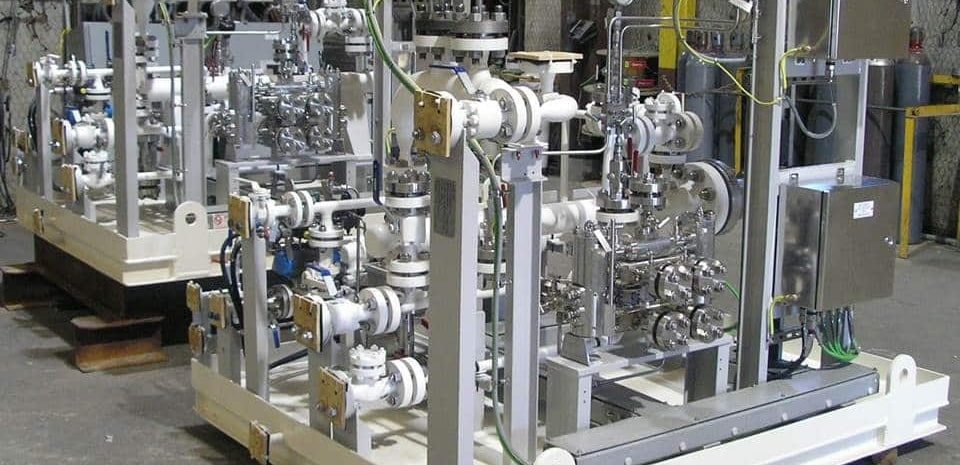
In compressor systems, seal issues are often traced back to mechanical causes. In many cases, the problem starts with seal gas.
Seal gas quality has a direct impact on dry gas seal life. If the gas is not clean, not dry enough, or unstable, the seals will show it. Sometimes quickly, sometimes over time.
Seal Gas Role in Compressor Reliability
Seal gas is there to protect the seal faces. It creates a barrier between the process gas and the seal. If the seal gas is clean and stable, the seal faces stay separated and operate as intended. If it is not, the process gas gets in, or the seal gas itself causes problems.
Good seal gas conditions support:
- Stable operation of the seal
- Lower wear on faces
- Lower leakage rates
- Longer service intervals
What Happens When Seal Gas Quality Drops?
In the field, gas is rarely clean. It can carry liquids, fine solids, or heavier components that drop out with pressure and temperature changes. If untreated gas reaches the seal, problems start showing up, such as:
- Liquid getting between the seal faces. That breaks the gas film and causes contact.
- Particles scratching or wearing the faces.
- Deposits that interfere with seal face geometry or movement.
- Trips or shutdowns tied back to seal alarms.
As seal gas drops in pressure across valves, temperature also drops (Joule-Thomson effect). This can cause liquids to form right before the seal if the gas is not properly conditioned.
Contamination can also affect dynamic sealing elements. If movement is restricted, the seal cannot adjust to shaft changes during operation.
A quick check when reviewing a failed seal:
- Liquid in filters → likely condensation or insufficient heating
- Scored or worn faces → particulate ingress
- Failure during startup or slow roll → dew point control issue
Why This Problem is Often Missed
When a seal fails, people tend to check the seal hardware, alignment, or operating conditions first. Upstream gas quality is not always checked in detail. A lot of systems are also designed for steady conditions, but real operation is not steady.
Many things can get overlooked:
- Startup and shutdown
- Low load or recycle
- Changes in gas composition
- Ambient temperature swings
You can have a system that looks fine on paper and still has issues once it is running.
Seal Gas Conditioning in Compressor Systems
Seal gas conditioning is there to deal with all of that. The goal is simply to deliver gas to the seal that will not cause problems. Your average gas conditioning skid will include:
- Filtration and coalescing
- Heating for dew point control
- Pressure control
- Instrumentation for monitoring pressure, temperature, and shutdown conditions
Sizing and layout have a direct impact on performance, especially when the system sees changing conditions.
Dew Point Control: The Part That Gets Misunderstood
Most people focus on keeping liquids out. That is correct, but it is not the full picture. Gas that is too dry can also create issues. Carbon seal faces rely on a small amount of adsorbed moisture for lubrication. When the gas is extremely dry, especially nitrogen, that lubrication effect is reduced. You see this during:
- Slow roll
- Turning gear operation
- Startup and shutdown
- Any condition where the faces are in contact
If the gas is “bone dry,” wear increases. So the target is not the lowest dew point possible. It is a controlled dew point that prevents liquid formation while avoiding excessive dryness. In some cases, that means conditioning nitrogen so it is not excessively dry while still keeping liquids out of the system.
This is where a lot of systems fall short. They are designed to dry the gas, but not to control it properly across all operating conditions.
The Cost of Getting it Wrong
When seal gas quality is not controlled, the impact shows up in operations.
You will typically see:
- More frequent seal replacements
- Unexpected downtime
- Higher maintenance effort
- Reduced run time between outages
Over time, these costs add up. In many cases, they exceed what it would have taken to install a properly designed conditioning system from the start.
A Design Approach to Reliability
Seal gas conditioning is not only adding filters and heaters. It comes down to how the system is designed for the actual service. That includes:
- Full gas composition
- Pressure and temperature changes through the system
- Startup, shutdown, and standby conditions
- How the system ties into the compressor
If those are not considered, problems show up later.
Talk to DXP/IFS About Your Seal Gas Conditioning Needs
If you are seeing seal issues, or if the gas conditions are not well defined, it may be time to review the system. DXP/IFS designs and supplies seal gas conditioning skids for compressor applications. These modular process skids are built around the actual process conditions, not ideal assumptions. That includes filtration, dew point control, and integration with the compressor station.
If you are troubleshooting an existing unit or working on a new installation, our team can review the application and identify what is required.
Reach out to DXP/IFS to learn more about seal gas conditioning systems.