
Hot Oil Packages
Hot Oil Heating Systems: Design, Components, and Industrial Applications
February 25, 2026 Welcome

High temperature process heating gets more complicated as pressure goes up. At some point, steam becomes more of a mechanical problem than a heating solution. Hot oil heating systems are used in those cases because they deliver high temperatures while operating at much lower pressures.
What Are Hot Oil Heating Systems?
Hot oil systems (also referred to as thermal fluid heating systems) circulate a heat transfer fluid through a closed-loop system to deliver consistent thermal energy to process equipment.
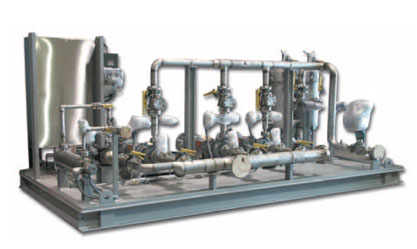
Unlike steam, the fluid stays in liquid phase even at elevated temperatures. That is the main difference. You can reach temperatures above 600°F without running the system at high pressure. From a mechanical standpoint, that simplifies piping, vessels, and overall system stress.
The heat transfer fluid (usually a synthetic or mineral-based thermal oil) is heated in a fired heater or electric heater and then circulated through heat exchangers, reactors, storage tanks, or other process equipment before returning to the heater for reheating.
How Hot Oil Systems Work
The system is a closed-loop circuit, there is no phase change and no condensate return.
- Thermal fluid is heated inside a heater (gas-fired, electric, or waste heat type).
- A circulation pump moves the heated fluid through insulated piping.
- The hot oil transfers heat to process equipment through indirect heat exchange.
- The cooler fluid returns to the heater to be reheated.
Flow rate is important. If flow drops too low, film temperature inside the heater rises and fluid degradation starts. That is how you end up with coking and fouling. Proper pump sizing and monitoring are not optional.
Design Considerations for Hot Oil Heating Systems
Hot oil systems are simple in concept, but they need to be engineered correctly. Most issues seen in the field trace back to design shortcuts. Primary engineering factors include:
1. Temperature Requirements
The maximum required process temperature drives heater design, fluid selection, and material specifications. Do not size the system for normal operation only. (Design for worst case demand.)
2. Heat Load Calculations
Thermal load calculations determine heater capacity and pump requirements. Both steady-state and peak loads should be evaluated. Undersized heaters struggle during startup and upset conditions.
3. Fluid Selection
Heat transfer fluids must be chosen based on:
- Maximum film temperature
- Oxidation resistance
- Thermal stability
- Viscosity characteristics
Improper fluid selection can result in degradation, coking, and reduced system efficiency.
4. Expansion and Venting
Thermal oil expands as temperature rises. The expansion tank must be sized correctly and located properly in the system. Venting of low boilers and entrained gases should be addressed during design, not after commissioning.
5. Pump Sizing and Flow Rates
Adequate flow velocity prevents localized overheating and provides consistent heat transfer throughout the system.
6. Insulation and Heat Loss Control
Insulation can reduce heat loss and protect personnel. Poor insulation can increase energy consumption plus create unnecessary hot surfaces in operating areas.
Main Components of a Hot Oil Heating System
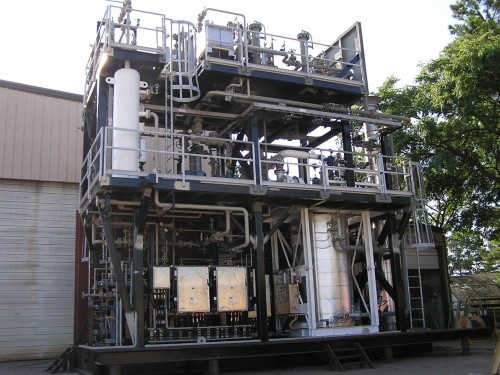
A fully engineered hot oil heating system typically includes the following components:
Heater Unit
The heater raises the temperature of the thermal fluid. Types:
- Gas-fired heaters
- Electric heaters
- Waste heat recovery heaters
Heaters are designed to control film temperature and limit fluid degradation.
Circulation Pump
The circulation pump maintains constant flow through the system. In most installations, this is a high-temperature centrifugal pump designed to accommodate thermal growth. Loss of flow protection should always be included.
Expansion Tank
The expansion tank accommodates fluid expansion during heat up and helps remove entrained gases from the system.
Heat Exchangers
Heat exchangers transfer energy from the hot oil to the process fluid without direct contact. These are usually shell-and-tube or plate-type exchangers, depending on application.
Piping and Valving
Piping must be rated for temperature and designed for thermal expansion. Stress analysis is recommended on larger systems. Isolation valves, control valves, and relief devices are installed for safe operation.
Instrumentation and Controls
Typical instrumentation comprises the following:
- Temperature transmitters
- Pressure transmitters
- Flow indicators
- Level monitoring in expansion tanks
Control systems regulate heater output, monitor safety limits, and provide shutdown protection in abnormal operating conditions.
Frequently Asked Questions on Hot Oil Heating Systems
What is the difference between a hot oil system and a steam system?
Hot oil heating systems operate at much lower pressures while achieving higher temperatures. Steam systems rely on phase change and require condensate return, while hot oil systems use a closed-loop liquid heat transfer fluid that eliminates flash steam losses and reduces corrosion.
What temperatures can hot oil heating systems reach?
Standard industrial hot oil systems typically operate between 300°F and 650°F.
- Low End: Limited by the fluid’s pumpable viscosity.
- High End: Determined by the “thermal cracking” point of the fluid. Specialty synthetic fluids can extend this range up to 800°F for high-intensity chemical or solar power applications.
Are hot oil systems safer than steam systems?
Generally, yes, regarding mechanical failure. Because they operate at low pressures (typically just enough to overcome pipe friction), they do not carry the risk of high-pressure vessel explosions associated with steam.
What industries use hot oil systems?
They are used in oil & gas processing, chemical plants, asphalt terminals, food processing facilities, and power generation plants.
Partner with DXP/IFS for Engineered Hot Oil Heating Systems
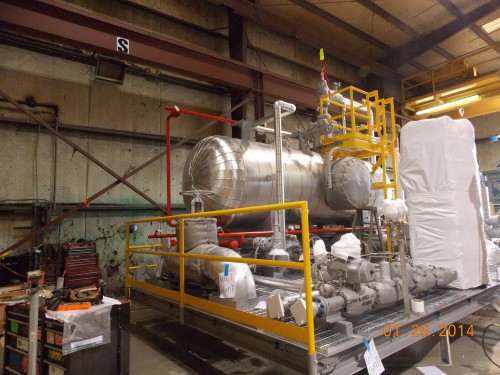
DXP/IFS engineers and fabricates skid-mounted hot oil heating systems designed for demanding industrial environments. Each package is factory assembled and function tested prior to shipment, reducing field installation time and supporting faster project execution. Our modular process systems are fabricated in accordance with ASME, ANSI, and related industry standards, with integrated heaters, pumps, expansion tanks, piping, instrumentation, and controls on a structural steel base.
Contact our team today to learn more about our custom hot oil systems and modular process skid capabilities.